

Overview of Common Stains
Full overview of the most common stains, including how to identify them and treat them
When customers search for home services, trust is the deciding factor. Educational content helps businesses build that trust by providing helpful, practical advice instead of a sales pitch. Here’s why it works:
By answering common questions like "How much does HVAC replacement cost?" or "What are signs of a leaky pipe?", businesses position themselves as experts. Sharing blog posts, video tutorials, and downloadable guides not only solves problems but also builds credibility.
For example, Marcus Sheridan’s article on fiberglass pool costs generated over $35 million in sales by addressing customer concerns directly. Educational content also reduces the "information disadvantage" many homeowners feel, creating transparency and trust.
To stand out, focus on:
The result? Stronger relationships, more qualified leads, and long-term customer loyalty.

How Educational Content Builds Customer Trust: Key Statistics
When someone searches for "how to fix a leaky faucet" or "how much does HVAC replacement cost", they’re not looking for a sales pitch - they want clear, actionable advice. By offering straightforward guidance, your business shifts from being just another contractor to becoming a go-to advisor who provides real solutions.
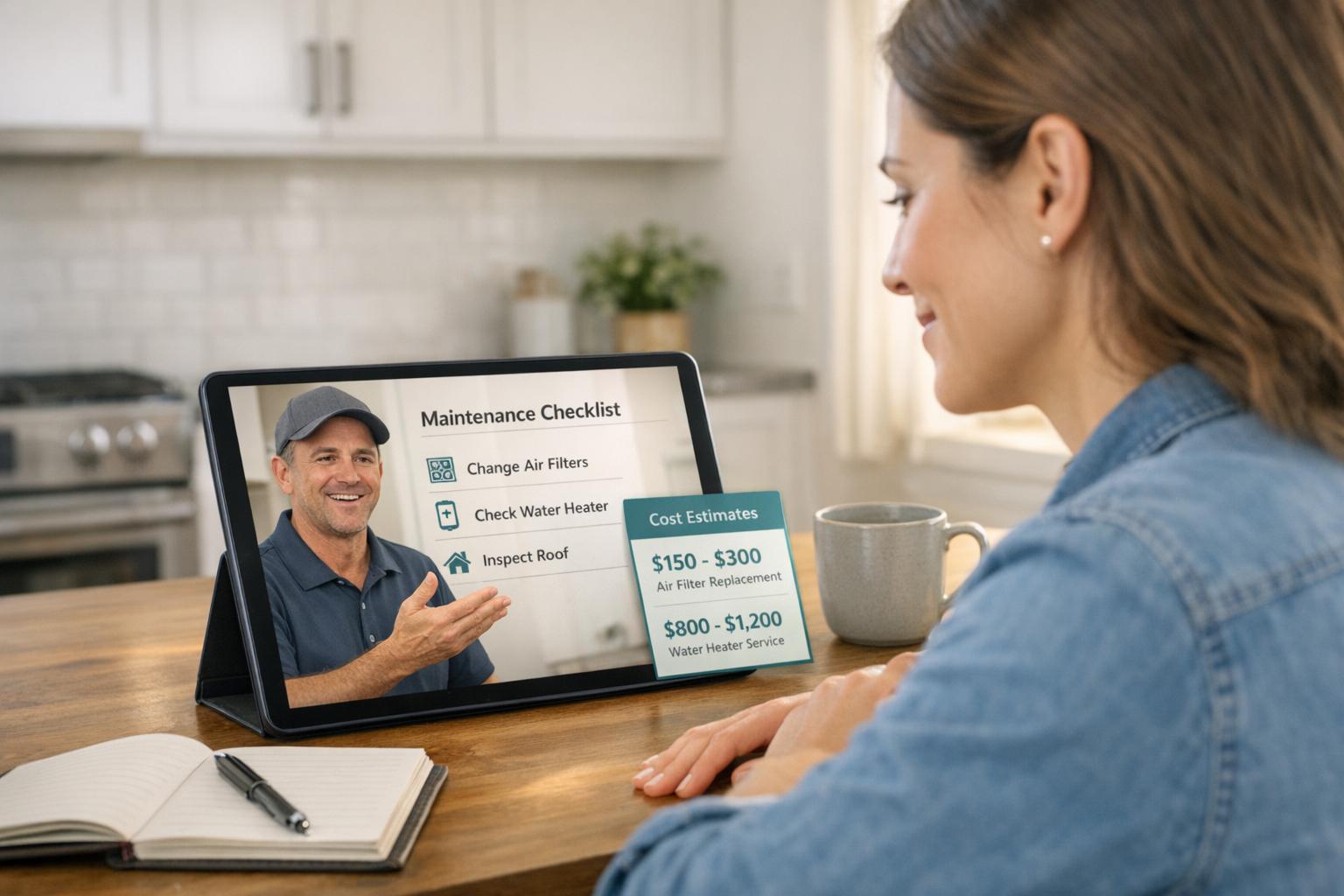
Providing help upfront - like a maintenance checklist, troubleshooting guide, or video tutorial - can make a lasting impression on potential customers. These resources give homeowners immediate solutions while showing them you’re genuinely there to help, not just sell.
Educational content also helps people figure out what they can handle on their own versus when they need a professional. For example, a plumbing company sharing an article titled "5 Drain Clogs You Can Fix Yourself (and 3 That Need a Pro)" isn’t losing business. Instead, it’s attracting more qualified leads for complex jobs while still being helpful. This level of transparency builds trust - a critical factor when someone is deciding whether to invite a service professional into their home.
On top of that, showcasing technical expertise strengthens your credibility even further.
Beyond quick tips, sharing deeper technical insights helps establish your authority. Explaining why furnace filters should be replaced every 90 days or how poor attic ventilation leads to ice dams demonstrates your expertise. A great example of this approach is Marcus Sheridan of River Pools. Back in 2009, he wrote an article titled "How Much Does a Fiberglass Pool Cost?" - a topic most competitors avoided. By 2024, that single article had generated over $35 million in sales because it answered the exact questions homeowners were searching for.
The trick is tackling topics others shy away from. Homeowners often search for information on costs, potential issues, comparisons, reviews, and "best of" lists - what’s known as the "Big 5" topics that drive buying decisions. By openly addressing pricing, possible challenges, and honest product comparisons, you stand out as the expert they can trust to handle the job right.
Educational content plays a huge role in shaping consumer choices. A recent study found that 83.6% of consumers chose a brand that provided them with educational content when compared to three other options. This makes sense when you consider that 96% of consumers admit they don't trust traditional advertisements. With skepticism toward conventional ads so high, educational content has become a powerful way to connect with audiences.
There's also an interesting psychological effect at play, known as "rosy retrospection." After consuming helpful content, customers tend to idealize the experience over time. This means that even when they aren't actively engaging with your brand, their trust in it can grow. Unlike a fleeting sales pitch, educational content creates a lasting impression that strengthens relationships over time.
Preventive guides are one example of how brands can use this approach to deepen trust by addressing potential problems before they arise.
Customers don’t just want solutions - they want to avoid problems altogether. For instance, 70% of homeowners are willing to pay more for service providers with a reputation for reliability and good communication. By offering content that proactively addresses common issues, you show reliability and expertise, two qualities that customers value highly.
Take home improvement projects as an example. Content that explains potential pitfalls - like renovation mishaps or unexpected costs - helps customers feel more informed and prepared. This kind of transparency reduces the "information disadvantage" many homeowners feel when hiring professionals. In fact, 88% of homeowners say that clear pricing information is the most important trust factor, and 70% would pay extra to avoid surprise costs.
But the benefits of educational content go beyond just helping customers feel informed. A study involving 1,200 retail clients revealed that as customers become more educated, they start valuing the overall service experience more, including attentive communication and relationship quality. Sharing insider knowledge or "tricks of the trade" not only boosts their confidence in your expertise but also has a strong positive effect on their trust in your business.
However, trust-building strategies aren’t one-size-fits-all. Different generations have varying expectations, and understanding these differences is key.
Trust-building methods often depend on the customer’s age group. For Gen Z and Millennials, digital interactions matter more than face-to-face ones. These groups value transparency and authenticity so highly that 60% of Gen Z consumers won’t return to a brand if trust is broken.
Visual proof is another big factor for younger audiences. 68% of homeowners now expect photos or videos of completed work to validate the quality of services. Social media also plays a significant role in how they discover services, with 76% of Gen Z and 70% of Millennials using social platforms for this purpose. On the other hand, Gen X and Baby Boomers rely more on professional websites and detailed online reviews, with 96% of homeowners across all generations expecting a user-friendly website as a basic trust signal.
Younger generations also prioritize value alignment. They’re willing to pay up to 64% more for brands that reflect their values, such as sustainability and inclusivity. Educational content that highlights these priorities while offering practical advice can meet their expectations and build trust across all age groups. By addressing their needs and values, you create a connection that feels both genuine and lasting.
Written content remains a cornerstone of educational marketing, especially since 93% of all purchases begin with an internet search. To grab attention, focus on the Big 5 topics that customers care about most: Cost, Problems (what could go wrong), Reviews, "Best of" lists, and Comparisons.
Take West Roofing Systems, for example. Operating in Ohio, Florida, and Georgia, they tackled the often-avoided topic of pricing. They published a detailed breakdown of ballpark costs for restoring a commercial metal roof, including factors that influence the price. Similarly, River Pools created a cost comparison between concrete and fiberglass pools, complete with a 10-year expense breakdown, reinforcing their position as a transparent advisor.
Your blog should address the tough questions your sales team hears regularly. Meet with your team every two weeks to identify these recurring concerns, then turn those insights into blog posts. Titles like "Roof Maintenance Tips for Atlanta Homeowners" can also boost your local visibility. Keep your tone conversational and relatable to connect with homeowners effectively.
While written content builds credibility, visual formats can enhance trust even faster.
Video content has a unique ability to build trust by showing the people behind your business. The growing "contractor-creator" trend highlights how providers are recording everyday jobs using just their smartphones. You don’t need professional equipment - authenticity is far more important than polished production.
Create short, helpful tutorials that provide immediate value, like showing how to shut off a water valve or spot signs of a leaky pipe. You can also film project walkthroughs to showcase your materials and craftsmanship from start to finish. With online video consumption per person doubling since 2018, platforms like TikTok and Instagram Reels are perfect for sharing quick, 60-second maintenance tips, particularly for younger homeowners.
"If a customer's search leads them to your website, and they find your content to be helpful and honest, then they're willing to trust your business. Suddenly, you're not just another home builder trying to get their money. You're the home builder that answered their questions." - John Becker, IMPACT
Beyond video, downloadable resources can keep your expertise top-of-mind.
Downloadable resources are excellent tools for generating leads. Consider creating guides like a "Metal Roof Maintenance Handbook" or a "Kitchen Remodeling Checklist" that focus on long-term care strategies. These resources are not only helpful but also encourage prospects to share their email addresses, even if they’re not ready to commit to a service.
For instance, Whirlpool offers a "Home Heartbeat" content hub filled with articles, step-by-step guides, and troubleshooting videos. This platform helps customers solve minor issues independently, building loyalty over time. Seasonal guides and maintenance tips can also nurture ongoing engagement by offering practical, timely advice.
Businesses that prioritize content marketing generate 67% more leads than those that don’t. By providing free, actionable tools, you position your brand as a trusted, long-term partner in home care. Focus on solving real problems and offering advice that customers can put into practice immediately.
Educational content needs to find the right audience through intentional distribution. The strategies below help connect your expertise with homeowners actively seeking solutions, building on the trust-focused methods discussed earlier.
To make your content more visible locally, update your Google Business Profile weekly and create specific landing pages for each service and location. Focus on E-E-A-T principles (Experience, Expertise, Authoritativeness, and Trustworthiness) by including real job photos, expert bios, and long-tail keywords that align with customer questions. With 46% of Google searches having local intent and 42% of users clicking results in the Google "local pack", these steps put your content where it matters most.
Organize your content with headers that mirror customer questions, such as "How Much Does a Metal Roof Restoration Cost?" or "What Are Signs of a Leaky Pipe?". Use long-tail keywords like "emergency furnace repair in [City Name]" instead of generic terms like "plumbing". Websites with blogs have 434% more indexed pages, which greatly improves discoverability.
Credit your posts to qualified team members, showcasing their years of experience and certifications like NATE or Master Plumber credentials. Amanda Jordan from RicketyRoo emphasizes:
"Local businesses should focus on branding, customer experience, and developing their expertise. With generative AI coming into play, having lots of content about your topic isn't enough. Your content across all platforms needs to paint a clear picture of who you are and why you're important".
Boost local rankings by using descriptive alt-text for images, such as "HVAC technician repairing furnace in Denver basement". Human-written content paired with original visuals generates 5.4 times more traffic than AI-generated alternatives over five months.
Visibility doesn’t stop at search engines. Expanding to platforms where your audience already spends time amplifies your reach.
Repurpose your educational content across platforms: upload full videos on YouTube, share clips on Instagram Reels and TikTok, summarize posts for Facebook, and present professional insights on LinkedIn.
Each platform serves a unique role. Instagram helps homeowners quickly verify your credibility before contacting you. Facebook fosters community engagement and showcases reviews. YouTube is perfect for in-depth authority-building, while TikTok excels with short, authentic educational clips - TikTok accounts with under 50,000 followers average a 30.1% engagement rate, much higher than Instagram’s 1.8% for similar-sized accounts.
Consistency is more important than going viral. Aim to release one or two short videos weekly. Including founders or team members in the content increases consumer trust by 82%. Authentic, relatable content strengthens trust.
Segmented email campaigns also nurture relationships. For instance, if someone downloads a "Kitchen Remodeling Checklist", follow up with a blog post on countertop materials a week later. 96% of consumers say personalized messages increase their likelihood to buy.
Over time, this multi-channel strategy builds trust through "rosy retrospection", where consumers feel more confident about your brand a week after engaging with your content than they did right away.
Scaling educational content requires the right tools. Estatehub simplifies this process with long-form content (2,000+ words on average), local SEO optimization, and CRM tools that link marketing activities directly to revenue.
Their strategy includes creating service area pages, "best of" lists, and incorporating local signals like maps and city-specific testimonials to boost SEO and buyer confidence. They also implement self-service tools, like pricing calculators and project configurators, which allow customers to explore options and pre-qualify themselves. These tools address key topics customers care about: cost, problems, comparisons, reviews, and "best in class" options.
Estatehub helps businesses scale video content with "The Selling 7" approach, which includes 80% videos (answering common sales questions), bio videos, and customer journey stories. These videos establish trust even before the first meeting. Their HighLevel CRM integration tracks which content generates qualified leads and revenue, giving businesses a clear view of what works. Considering content marketing generates 3 times more leads than outbound marketing at 62% less cost, this insight is crucial for effective scaling.
Estatehub works with home service providers in 90-day cycles, focusing on 3–5 key areas each quarter with clear action steps and deadlines. This structured process ensures educational content isn’t just created - it’s strategically distributed, optimized, and measured to drive growth while reinforcing trust-building efforts.
Providing expertise on system mechanics, common issues, and maintenance transforms simple transactions into meaningful relationships built on trust. By fostering reciprocity and genuine connection, you create a bond that strengthens over time.
Studies repeatedly show the power of educational content in driving both immediate purchases and lasting loyalty. In fact, when consumers are choosing between four competing brands, 83.6% opt for the one that educated them. Educational content doesn’t just close deals faster - it lays the groundwork for long-term relationships, turning satisfied customers into loyal advocates.
This shift from a "sell, sell, sell" mindset to a "show and tell" approach demands consistency and thoughtful distribution. It’s about addressing the real questions homeowners have - covering topics like costs, potential problems, comparisons, reviews, and best practices - through your website, social media, and email campaigns. As Margaret Magnarelli from Baldor Specialty Foods wisely notes: "You build loyalty by helping someone with something, so then when they are ready to buy, they remember that". Robert Rose from the Content Marketing Institute adds: "Trust, like attention, is a precious commodity these days. And, anything that helps us deliver a more trusted experience to our customers should be prioritized to the top of the list".
To help home service providers establish trust and scale their efforts, Estatehub offers structured content strategies. These include long-form, SEO-driven articles, video libraries, and CRM tools that track which educational resources directly contribute to revenue. Their 90-day plan focuses on key areas each quarter, ensuring a strategic rollout that builds trust and drives measurable growth.
Kick things off by creating content that showcases your expertise while addressing what your audience cares about most. Think about their challenges, the questions they’re asking, and the topics they’re curious about. Then, craft resources like articles, videos, or infographics that provide answers and solutions.
When you share information that's backed by solid research and presented in a way that’s easy to understand, you’re not just helping your audience - you’re also building trust. This trust can position you as a go-to authority in your field, making it far more likely that people will turn to you when they need the services you offer.
To build trust in your content, support it with solid research, reference reputable sources, and focus on delivering clear, unbiased information. Readers are more inclined to trust content that feels educational and is backed by reliable data and objective analysis.
To gauge the ROI of educational content, consider both its direct and indirect effects on your business. Start by tracking how the content impacts key areas like purchase intent, customer trust, and engagement metrics - including how much of the content is consumed and the quality of leads it generates.
Next, examine its contribution to revenue growth, its ability to boost SEO performance, and whether it helps reduce sales cycle durations. By pairing these insights with conversion rate analysis, you can get a well-rounded understanding of the value your educational content brings.
Sign up for the newsletter and be the first to read our articles.


Every single person on our agency team has spent a lot of time in the field either running their own business or working for larger marketing agencies. We have all put in the time responding to leads, helping customers, scheduling and doing services. This gives us a massive advantage when making decisions.
One thing that has always been very special to us, is the fact that (excluding spam / people that never used our services) we do not have any bad reviews. This absolutely does not mean we have never had unhappy clients, but if it happens, we make it right, and stand behind our promises.
We have seen, time and time again, other agencies using strategies and structuring campaigns the way that they are technically supposed to. Most of these "best practices" that are taught in our industry, simply do not transfer into local lead gen. This is partially because we do have a much different target audience, and are typically spending less, however optimizing for website traffic does not work here.
We have been there, jumping into starting a home service business, struggling, and doing everything wrong. It's humbling. Our team has all felt the highs and lows, which is why we get so excited for our clients to win, we know how good it feels.

Estatehub is not a normal agency, we know "clicks" don't get you sales. Let us show you how lead gen experts do it.

